
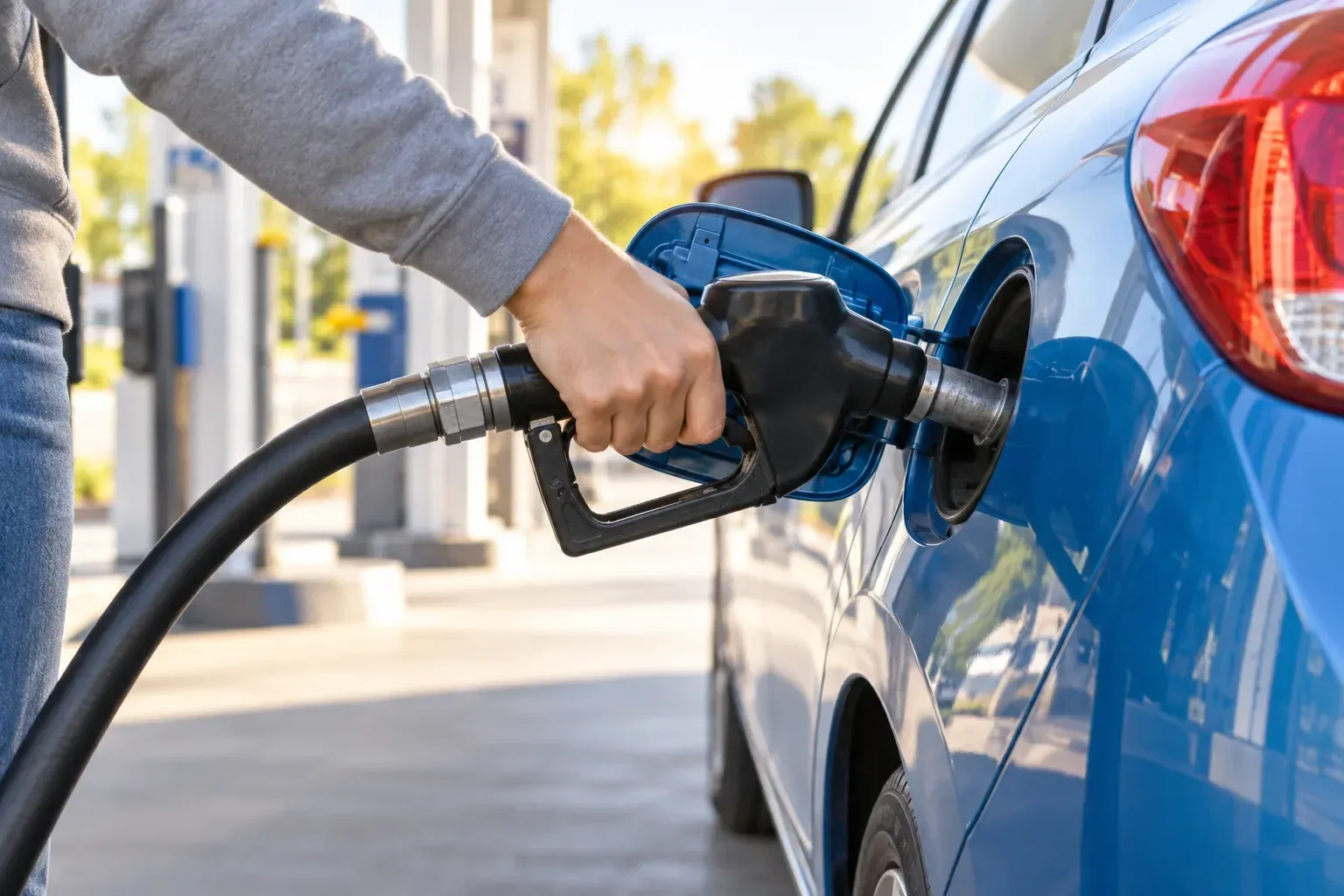
A few extra trips each week can make your gas budget feel harder to control. Start with changes to the driving you already do, rather than buying equipment or taking a long detour for a cheaper pump.
1. Combine nearby errands
Put the grocery store, pharmacy and other nearby stops on one route. Combining trips reduces repeated cold starts and can cut unnecessary miles.
2. Compare stations along your route
Check prices where you already drive. For example, saving 10 cents per gallon on a 12-gallon fill-up saves $1.20 before any detour costs. That is an illustration, not a current local price.
3. Accelerate and brake smoothly
Avoid hard acceleration and unnecessary braking. Leave enough following distance to respond gradually, and stay within posted speed limits. Aggressive driving wastes fuel.
4. Remove cargo you do not need
Take heavy, unused items out of the trunk. Remove a rooftop cargo box when it is not needed; extra weight and wind resistance can reduce fuel economy.
5. Share a regular trip
If schedules allow, take turns driving with a coworker or neighbor. Compare the practical cost of public transit for trips where it is convenient. Even changing one regular journey can reduce the miles you pay for.
6. Check your weekly total
Record what you spend at the pump for a few weeks, alongside any changes in distance driven. A lower total means more when it comes from fewer unnecessary miles rather than simply postponing a fill-up.
Interested in an additional option? Explore Gas $1,000 Card and follow the steps on its page. Treat it separately from the savings you make by driving less. These options require qualifying Deals, which may involve purchases or subscriptions; simply registering does not earn the reward.